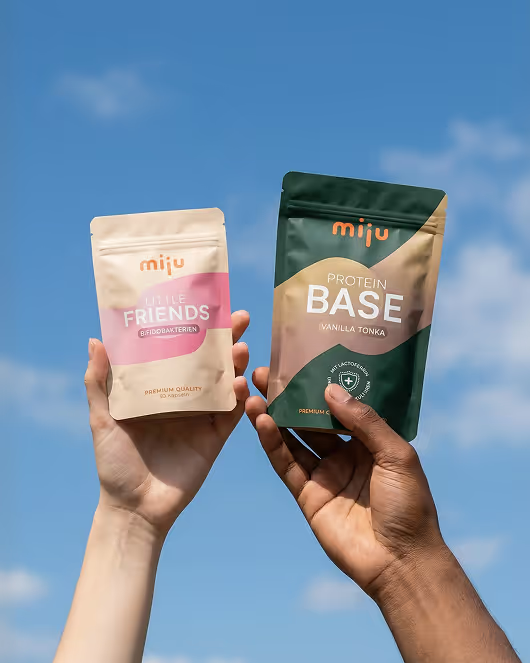
Carefully selected, thoughtfully combined: A closer look at our Protein Powder
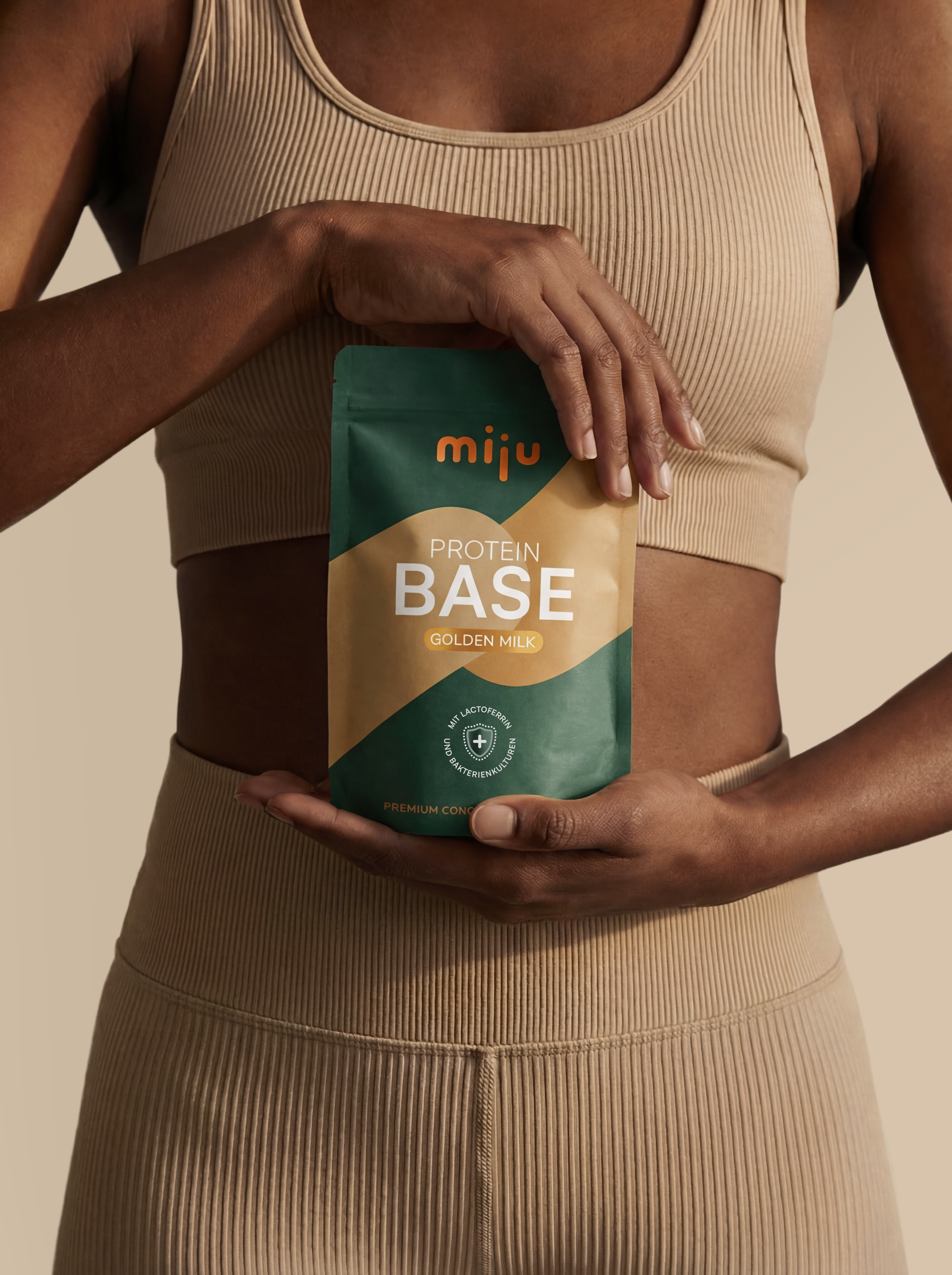
Many protein powders contain long lists of ingredients whose purpose is often unclear to consumers. We take a different approach: every ingredient in our protein powder has been carefully selected and serves a specific function. In this article, we'll explain the role each component plays in our formula and why it earned its place in our product.
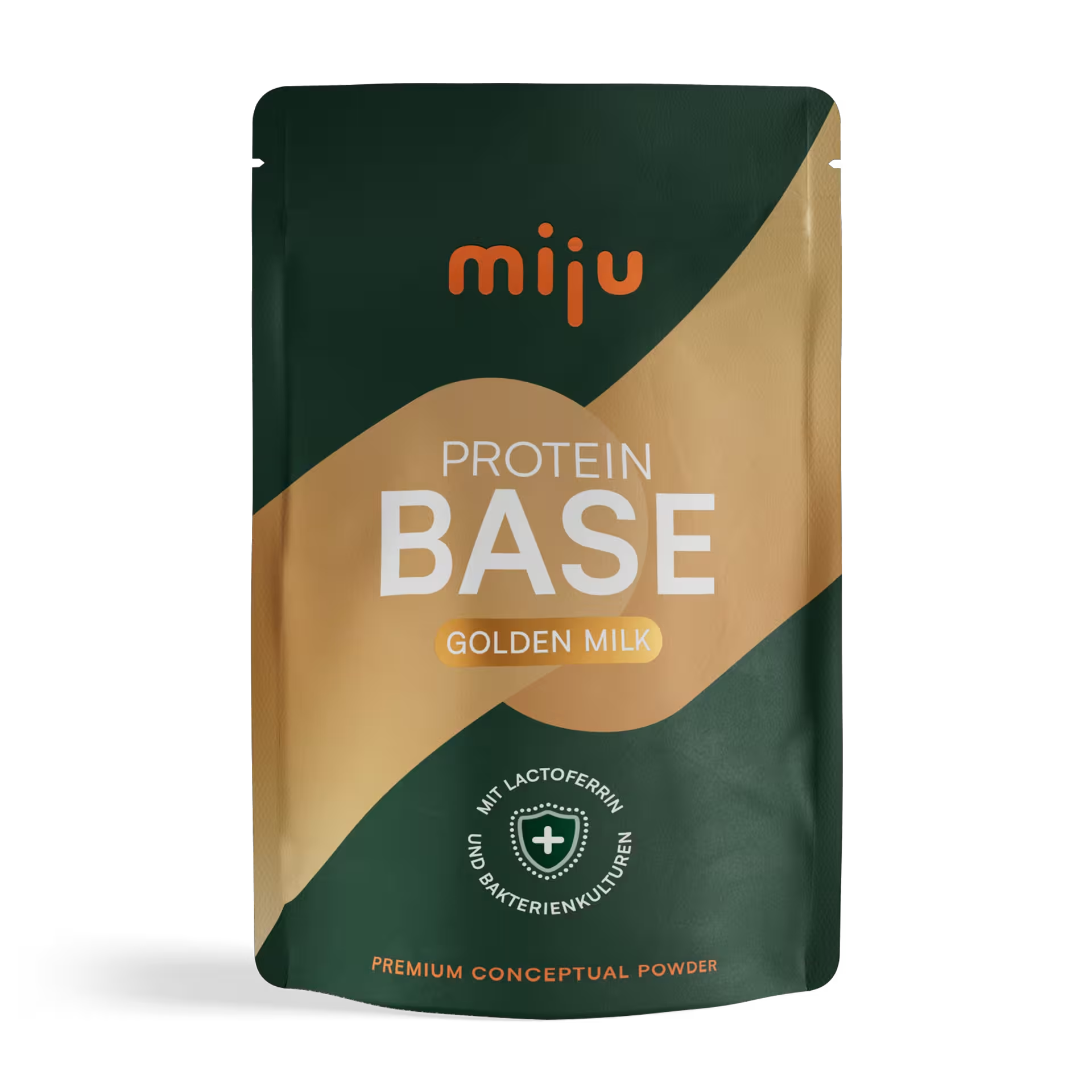

Why every ingredient in our Protein Powder has a purpose
If you take a look at the ingredient lists of many protein powders on the market, you'll often find a lengthy collection of ingredients whose benefits remain unclear even after a closer look. From the very beginning, we knew there had to be a better way.
That's why every single ingredient in our protein powder was chosen intentionally. Not because it was trending or because it made the formula look more impressive, but because it serves a clear purpose - whether that's improving taste, texture, digestibility, or nutritional quality.
In this article, we take a detailed look at every ingredient: why we use it, what it contributes, and what criteria guided our selection process. Because we believe that if you care about what you put into your body, you should know exactly what's in your protein powder.
Our protein powder is built around four core pillars: high-quality protein, targeted amino acid support, digestive support, and meaningful ingredients for gut health and immune function. Let's take a closer look at each component.
Milk Proteins and Whey Proteins: The foundation of high-quality Protein Powder
Clinical studies show that proteins derived from milk and whey are absorbed more efficiently by the body than most other protein sources [1]. But what exactly is the difference between milk protein and whey protein? Although both originate from the same source - milk - they behave quite differently in the body.
Milk Protein: A long-lasting supply of essential Amino Acids
Milk protein refers to the total protein naturally found in milk. It consists of approximately 80% casein and 20% whey protein. Because of its high casein content, milk protein is digested more slowly, providing the body with a steady stream of essential amino acids over several hours. This promotes longer-lasting satiety and supports muscle tissue, connective tissue, and recovery in a sustained manner [2].
Whey Protein: Fast availability for Recovery and Muscle Growth
While milk protein provides a prolonged supply of amino acids, whey protein is known for its rapid absorption. A look at one of the most valuable foods humans consume - breast milk - makes it clear that not all protein is created equal. Roughly 70% of the protein content in breast milk consists of whey protein [3].
Whey protein is absorbed quickly by the body, leading to a rapid rise in amino acid levels in the bloodstream. This is precisely what makes whey protein so valuable for recovery and targeted muscle development. In addition, high-quality whey protein has a high biological value, supplying the body with essential amino acids in a particularly efficient way [4].
Why we combine both Protein Sources
Our protein powder combines both protein sources to provide comprehensive, high-quality protein nutrition. While milk protein supports the body over a longer period of time, whey protein delivers rapidly available amino acids and complements the formula perfectly.
In addition to milk protein, our formula contains a carefully selected whey protein with a naturally elevated phospholipid content. These phospholipids are functional ingredients in their own right, supporting the formation of cell membranes, facilitating the transport of essential nutrients, and helping to improve physical performance - not only during exercise [5].
High-quality protein is the foundation of our protein powder. However, we wanted to go one step further. That's why we enriched our protein blend with selected amino acids that offer benefits beyond basic protein nutrition.
Amino Acids: For a more thoughtful Protein Shake
Most protein powders focus exclusively on the amount of protein they contain. We asked ourselves a different question: How can a protein shake offer more than just protein, and how can its amino acid profile be meaningfully improved? For this reason, our formula contains carefully selected amino acids that help address some of the common challenges associated with protein powder consumption. Cow's milk naturally contains high levels of methionine and leucine - two amino acids that stimulate growth-related pathways in the body. While this supports growth in calves and muscle development in humans, it may also contribute to acne in some individuals by promoting the activity of certain growth hormones [6].
Glycine: Supporting a balanced Amino Acid Profile
The amino acid glycine is involved in the production of the enzyme glycine N-methyltransferase, which helps break down excess methionine. This may contribute to a reduction in acne while supporting muscle development. Research has also associated glycine with longevity and healthy aging [7].
Glutamine: Supporting the Gut Barrier and Recovery
While glycine primarily supports amino acid metabolism, glutamine serves a different purpose in our protein powder. Glutamine is one of the most important amino acids for maintaining the intestinal lining, which forms a key part of the body's first line of immune defense. Modern lifestyles can contribute to insufficient glutamine availability, potentially impairing the regeneration of this barrier [8].
Furthermore, glutamine can be converted into arginine and ornithine - amino acids that are not essential but are often produced in insufficient amounts due to factors such as stress or high blood pressure. As we age, the body's need for arginine increases, making it an important factor in healthy aging [9].
Taurine: A versatile Amino Sulfonic Acid for the whole body
Another ingredient we intentionally included is taurine. Taurine is an amino sulfonic acid rather than a protein-building amino acid, which is why it is generally absent from protein concentrates despite being found throughout the human body.
It is one of the most abundant amino compounds in many internal organs and plays an important role in their function. In the brain, taurine acts similarly to a neurotransmitter, helping regulate communication between nerve cells. It also contributes to maintaining the balance between GABA, which has calming effects, and glutamate, which has stimulating effects. Through these mechanisms, taurine may indirectly help regulate inflammatory processes within the body [10].
Breast milk naturally contains high levels of taurine because of its importance for nervous system development and heart function [11]. Taurine levels tend to decline with age, and studies have linked adequate taurine intake with a longer healthy lifespan [12]. Taurine also helps reduce oxidative stress, which may contribute to improved immune function [13].
Of course, even the best protein is of little value if it cannot be digested and utilized efficiently. That's why we paid special attention to supporting protein digestion.
DigeZyme®: Plant-Based Enzymes for optimized Protein Digestion
One common challenge with protein powders is that the relatively large amounts of protein found in protein shakes can be difficult for the body to process efficiently. The proteolytic enzymes in DigeZyme® help break down proteins more effectively, potentially improving absorption and increasing bioavailability [14].
There is another important effect as well. Following the consumption of whey protein, certain inflammatory markers - including CRP (C-reactive protein), a marker used to assess inflammation in the body - typically increase during the post-meal period. While this response is expected after eating, consistently elevated postprandial inflammation may negatively affect long-term health.
Protein-digesting enzymes appear to counteract this effect. In one study, CRP levels actually decreased when whey protein was consumed together with digestive enzymes, and this effect persisted for several hours [15].
Kiwi Powder with Actinidin: Natural Digestive Support
To complement our enzyme blend, our protein powder also contains kiwi powder. Kiwi naturally contains actinidin, an enzyme capable of breaking down milk proteins and improving their availability in the body. Through this synergistic effect, kiwi powder supports efficient protein utilization and naturally enhances our digestive enzyme profile [16].
Konjac Glucomannan: Fiber for Gut Health and Satiety
For optimal digestion and nutrient utilization, protein should ideally be consumed together with fats and carbohydrates. That's why our protein powder contains konjac glucomannan - a soluble fiber and complex long-chain carbohydrate derived from the konjac root. Glucomannan serves as a food source for beneficial gut bacteria and may contribute to a balanced gut environment [17].
In addition, its exceptional ability to absorb water promotes a prolonged feeling of fullness. As a result, a protein-rich shake can support weight management when included as part of a balanced diet [18]. Healthy digestion forms the foundation. Beyond that, we wanted to include ingredients traditionally associated with gut health and immune support: lactoferrin and bifidobacteria.
Lactoferrin and Bifidobacteria: Supporting the Gut and Immune System
Our protein powder becomes a truly comprehensive nutritional supplement through the addition of lactoferrin and bifidobacteria. Individually - and especially together - these ingredients support immune function. However, their role extends beyond defending against pathogens. They also support recovery processes and help counter oxidative stress, making them especially relevant during periods of stress, intense training, and aging.
Lactoferrin: The Natural Immune Protein found in Breast Milk
Lactoferrin is a naturally occurring immune protein found in high concentrations in breast milk and known for its wide range of health-supporting properties. As an iron-binding protein, it plays an important role in iron metabolism, exhibits antimicrobial properties, supports immune function, and may improve the absorption of dietary iron [19].
Bifidobacterium longum BB536: A Probiotic for a Balanced Gut Microbiome
Bifidobacterium longum BB536 is one of the beneficial bacteria naturally found in the human gut. As a probiotic strain, it helps support microbial balance and contributes to healthy immune function [20]. Together with lactoferrin, Bifidobacterium longum BB536 complements our protein powder and helps create a well-rounded formula for both gut and overall health.
Stevia: Natural Sweetness without added Sugar
Beyond functionality, taste matters too. For the mild sweetness of our Protein Base, we use stevia instead of added sugar. Combined with fiber and healthy fats, it creates a pleasant flavor profile that promotes satisfaction and can help satisfy sweet cravings without causing significant spikes in blood sugar levels.
When choosing a protein shake, it is always worth looking at the ingredient list. Products with high sugar contents can provide unnecessary calories and contribute to larger blood sugar fluctuations. That's why we deliberately avoid added sugar.
We chose stevia because it is one of the most natural calorie-free sweetening options available. Steviol glycosides extracted from the stevia plant provide intense sweetness without contributing calories [21]. Research also suggests that stevia may offer additional health benefits compared to many conventional sweeteners [22].
Conclusion
Our protein powder was not developed according to the philosophy that "more ingredients are always better." Instead, every component was carefully selected and included for a specific purpose. High-quality milk and whey proteins form the foundation. They are complemented by selected amino acids, enzymes, dietary fiber, lactoferrin, bifidobacteria, and natural sweetness from stevia.
The result is a thoughtfully designed formula in which high-quality protein, complementary amino acids, digestive support, and additional functional ingredients work together in a meaningful way. The result is a protein powder that goes far beyond simply providing protein.
Quick Facts: What Else Should You Know?
Can your protein powder be used even if I don't exercise?
Absolutely. Our protein powder is not designed exclusively for athletes. Protein is not only needed for building muscle - it is a fundamental building block for muscles, skin, connective tissue, enzymes, and the immune system.
Maintaining adequate protein intake is important in everyday life, during periods of stress, as we age, and whenever we want to support a balanced diet. That's why our protein powder was intentionally developed not just for active individuals, but for anyone looking to support their daily protein intake - whether in everyday life, during periods of intense training, or as part of a health-conscious lifestyle.
Can I mix your protein powder into yogurt or oatmeal?
Absolutely. Protein powder doesn't always have to be consumed as a traditional protein shake. You can easily mix it into yogurt, oatmeal, porridge, smoothies, or other meals and incorporate it into your daily routine. Not only does this add variety, but it's often the easiest way to increase your protein intake without completely changing your eating habits.
If you're looking for inspiration, be sure to check out our recipes. You'll find plenty of ideas for simple and delicious ways to incorporate our protein powder into your everyday life.
Can protein powder replace a meal?
No - and that's not what it's designed for.
As much as we love our protein powder, we have no intention of competing with a wholesome, balanced meal. Our protein powder was created to complement your daily protein intake, not to replace fresh, nutrient-rich foods.
It works best as part of a balanced diet, not as a substitute for one.
Literature
1. Herreman et al. (2020). Food Sci Nutr 8(10):5379–5391.
2. Boirie et al. (1997). PNAS 94(26):14930–14935.
3. Kunz & Lönnerdal (1992). Acta Paediatr 81(2):107–112.
4. Devries & Phillips (2015). J Food Sci 80(S1):A8–A15.
5. Pan et al. (2023). Foods 12(20):3755.
6. Melnik & Schmitz (2012). Dermatoendocrinol 4(1):20–32.
7. Miller et al. (2019). Aging Cell 18(3):e12953.
8. Wang et al. (2017). Int J Mol Sci 18(5):1051.
9. Morris (2017). Nutr Clin Pract 32(Suppl 1):30S–47S.
10. Ripps & Shen (2012). Mol Vis 18:2673–2686.
11. Wu (2022). Metabolites 12(3):228.
12. Singh et al. (2023). Science 380(6649):eabn9257.
13. Baliou et al. (2021). Mol Med Rep 24(2):605.
14. Majeed et al. (2018). J Med Food 21(11):1120–1128.
15. Zhou et al. (2015). Nutrients 7(2):1131–1143.
16. Kaur et al. (2010). J Agric Food Chem 58(8):5068–5073.
17. Zhu et al. (2025). Biology 14(8):923.
18. EFSA NDA (2010). EFSA J 8(10):1798.
19. Kell et al. (2020). Front Immunol 11:1221.
20. Wang et al. (2023). Am J Gastroenterol 118(3):561–564.
21. EFSA ANS (2010). EFSA J 8(4):1537.
22. VO (EU) 432/2012.